Home care or a care home?
An honest comparison, including the money, and the one difference in the means test that catches most families out.
We should say at the outset what we are: we are a home-care business, so we are hardly neutral. What follows is our honest attempt to set out both, including the cases where a care home is plainly the right answer. If you only read one part of this page, read the section about the house.
The question underneath the question
“Home or a home?” is usually standing in for something more specific. It is worth working out which of these you are actually asking, because they have different answers:
- Is it safe for them to be on their own overnight? That is about supervision, not about the building.
- Are they lonely? A care home is not the only cure for that, and it is a very large change to make for that reason alone.
- Can the family keep going at this pace? A perfectly fair question, and often the real one.
- Is the house itself the problem: stairs, a bathroom upstairs, no heating in half of it?
What home care does well
Familiarity is not a sentimental point. People who stay put keep their own bed, their own routine, their own kettle and their own neighbours, and for anyone with memory problems that continuity does real work: the surroundings themselves carry a lot of the day. Help at home also scales: it can be an hour a week and grow slowly, so nobody has to decide the whole future in one go. And it can be shaped around the individual in a way a rota for a building cannot. Our services run from companionship to personal care to help with the housework, in whatever combination is useful.
When a care home is the better answer
We would rather tell you this than have you find out the hard way. A care home is usually the right call when someone needs a member of staff within reach at any hour of the night; when nursing care is needed continuously; when the house cannot be made safe or warm; or when the family doing the caring is at the end of what it can sustain and no amount of visiting help is going to change that. Being clear-eyed about it early is kinder than arriving there in a crisis.
We are personal assistants, not nurses. Everything we do is the everyday, practical side of life at home, alongside whoever is doing the clinical care: the GP, the district nurse, the hospital team. If what is needed is continuous nursing, a home care visit is not the answer and we will say so.
The money, and the difference nobody expects
Both routes go through the same council financial assessment, using the same national capital limits: £23,250 as the upper limit and £14,250 as the lower one for 2026/27. The difference is what counts as capital.
- Care at home: the value of the property you live in is not included in the assessment.
- A permanent move into a care home: the value of your main home is usually taken into account, but not for the first 12 weeks after you move in permanently, and not at all if your partner still lives there. It may also be disregarded in other circumstances, for example where a family member aged 60 or over, or a family member with a disability, lives in the property.
That single difference changes the sums for a very large number of families, and it is worth understanding before any decision is made rather than after. The rules around property have more corners to them than a paragraph can hold, so please get your own case looked at. Age UK's guidance on paying for a care home is a good, impartial place to begin, and the council's financial assessment team can tell you how it applies to you.
How the assessment itself works, and how to start it in Wolverhampton, is in paying for care at home in Wolverhampton.
You do not have to choose today
This is very rarely a decision that has to be made this week, and a trial of a few hours a week at home costs a family far less, in every sense, than a move that turns out to have been premature. Our rates are on the site so you can do that sum before you ring. And if you want to talk it through, including the parts where the answer might not be us, ring us or send a message.
Sources
- GOV.UK, Social care — charging for care and support 2026 to 2027: the capital limits, and that they are unchanged for 2026/27.
- Age UK, Paying for a care home: the 12-week property disregard, and the partner, over-60 and disability disregards.
- Age UK, Financial assessment: the property you live in is not included when the care is at home.
Last reviewed 18 August 2026. Next review due April 2027.
What we can help with
The services mentioned in this guide.
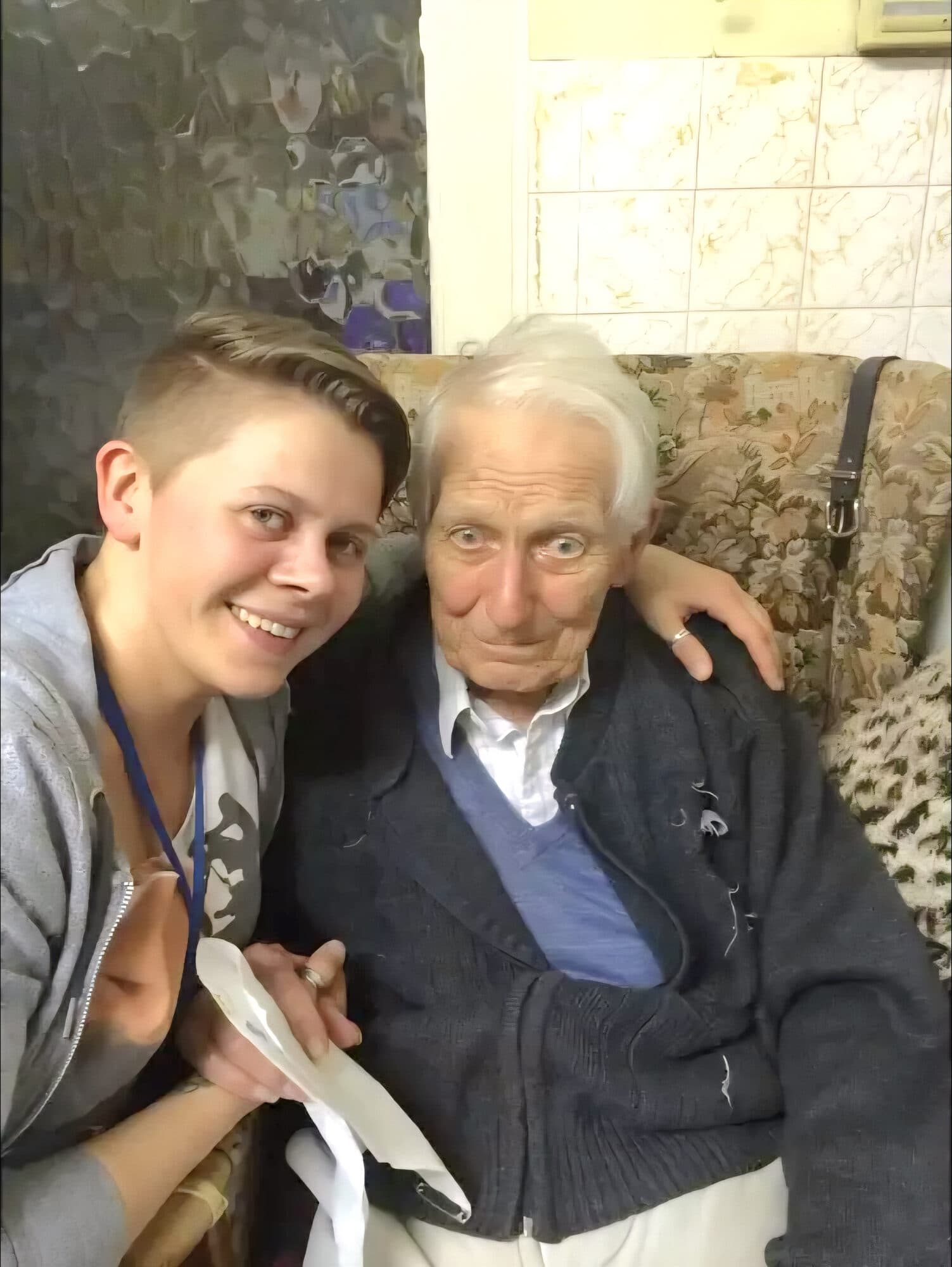
Companionship Visits
Company, conversation, and the kettle on.
Learn more
Personal Care
Help with washing and dressing, at your own pace.
Learn more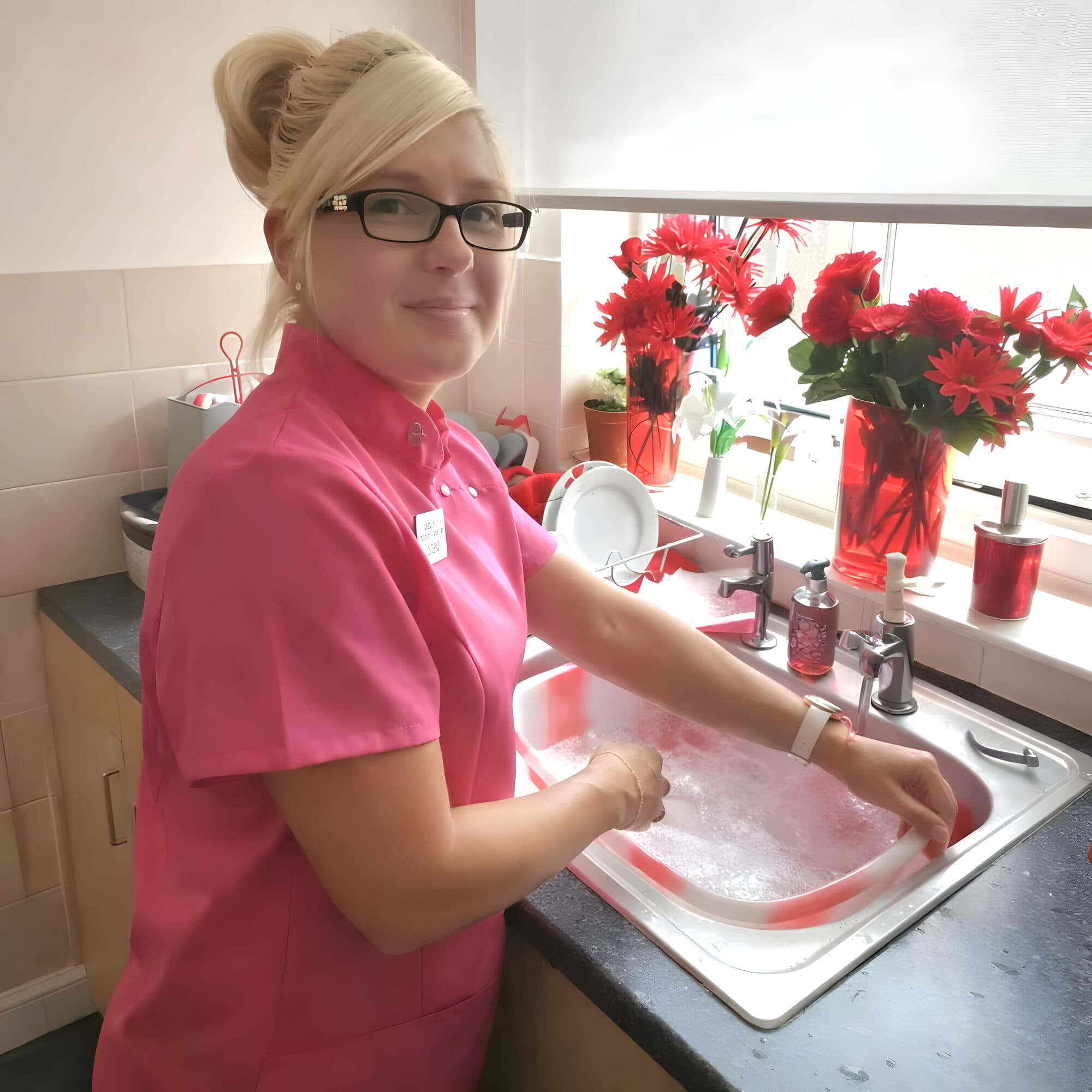
Domestic Cleaning
Keeping on top of the house, your way.
Learn moreHow it works
Have a chat
Give us a ring or send us a message and tell us what you’re finding difficult. There’s no obligation, and nothing to sign. If it’s urgent, say so: we can sometimes start straight away.
Your first visit is free
We come out to you at home, meet you properly, and write down together exactly what help you want and when. There’s no charge for that visit whether or not you go ahead.
Your assistant starts
Your assistant starts visiting on the days and times we’ve agreed together, and we stay in touch to make sure it’s working for you.