Paying for care at home in Wolverhampton: where to start
The free council assessment most people never ask for, the savings limits that decide who pays, and the benefit that is not means-tested. Written for Wolverhampton, with the figures dated.
Many families assume from the start that they will be paying for everything themselves, and a good number of them are wrong. There are three separate things worth doing, in this order, and only the last one is about money you spend.
1. Ask the council for a needs assessment. It is free.
Anyone who appears to need care and support can ask their council for a care and support needs assessment, and the assessment itself is free and does not depend on income or savings. It is a conversation about what is difficult and what would help, and it is the gateway to everything else: you cannot get council help with the cost without one.
In Wolverhampton this starts with the City of Wolverhampton Council's adult social care pages, which include an online self-assessment you can fill in at home, at any hour, for yourself or for someone you care for. If you would rather speak to a person, the council's adult social care number is 01902 551199.
You do not have to be in crisis to ask, and asking commits you to nothing.
2. Claim what is not means-tested, whatever your savings
Attendance Allowance is the one families miss most often, because they assume it is only for people with little money. It is not: GOV.UK states plainly that it “is not means-tested — what you earn or how much you have in savings will not affect what you get”. You can claim it if you are State Pension age or older and you need help or supervision because of a physical or mental disability or a health condition. It does not matter whether anybody is currently helping you.
The 2026/27 weekly rates are:
- £76.70 a week: the lower rate, for frequent help or constant supervision during the day, or supervision at night.
- £114.60 a week: the higher rate, for help or supervision throughout both day and night, or if you are nearing the end of your life.
Claiming it can also increase Pension Credit, Housing Benefit or Council Tax Reduction if you get those. The money is yours to spend as you see fit; a great many people use it to pay for exactly the sort of help this website describes.
3. Then, and only then, look at the financial assessment
If the needs assessment finds you have eligible needs, the council carries out a separate financial assessment (the means test) to work out what, if anything, you pay towards the care it arranges. Two national figures decide most of it, and they have not moved for years. These are the 2026/27 limits:
- £23,250: the upper capital limit. City of Wolverhampton Council puts it bluntly: if you have over £23,250 in savings or capital you are expected to pay the full cost of your support service, whatever your income.
- £14,250: the lower capital limit. Below this, your capital is ignored altogether and only your income is looked at.
- Between the two, a sliding “tariff income” is assumed: £1 a week for every £250 of capital between the limits.
One point that surprises people, and it is an important one: when the care is in your own home, the value of the home you live in is not counted in the financial assessment. That is different from a permanent move into a care home. We have set the two side by side in home care or a care home?.
Wolverhampton's own page on paying for care and support at home explains how it works locally and gives 01902 555323 for questions about your contribution. Reablement and short-term intermediate care, NHS Continuing Healthcare and Mental Health Act aftercare are not charged for at all.
If you are arranging and paying for it yourself
Plenty of people go straight to a private arrangement, either because they are over the savings limit or because they would rather choose who comes and when without going through the council. That is what we are. Our services are arranged directly with you, and you can start with one visit a week and change it whenever you like. Most people begin with something small, like a companionship visit or help with the shopping, and add personal care later if and when it is needed.
What we charge is on our rates page. We would rather you knew before you rang than after, and there is nothing to pay for the first visit. If the council has agreed a personal budget or a Direct Payment for you, that can often be used to arrange help yourself rather than take whatever is offered; we have a separate rate for Direct Payment clients, and the council can explain how a Direct Payment would work in your case.
Where to get impartial advice
We are a care provider, not benefits advisers, and it would be wrong of us to pretend otherwise. For free, independent help with a claim or a financial assessment, Age UK and Citizens Advice both know this system inside out and neither of them is trying to sell you anything.
Sources
- GOV.UK, Attendance Allowance: what you'll get and Attendance Allowance overview: the two weekly rates, and the fact that it is not means-tested.
- GOV.UK, Social care — charging for care and support 2026 to 2027: the upper and lower capital limits, and the £1-a-week-per-£250 tariff income between them.
- City of Wolverhampton Council, Paying for care and support at home and Care and support needs: the local process, both telephone numbers above, and what is not charged for.
- GOV.UK, Apply for a needs assessment by social services: who can ask for one, and that it is free.
- Age UK, Financial assessment: the home you live in is not included when the care is at home.
Last reviewed 18 August 2026. Next review due April 2027.
What we can help with
The services mentioned in this guide.
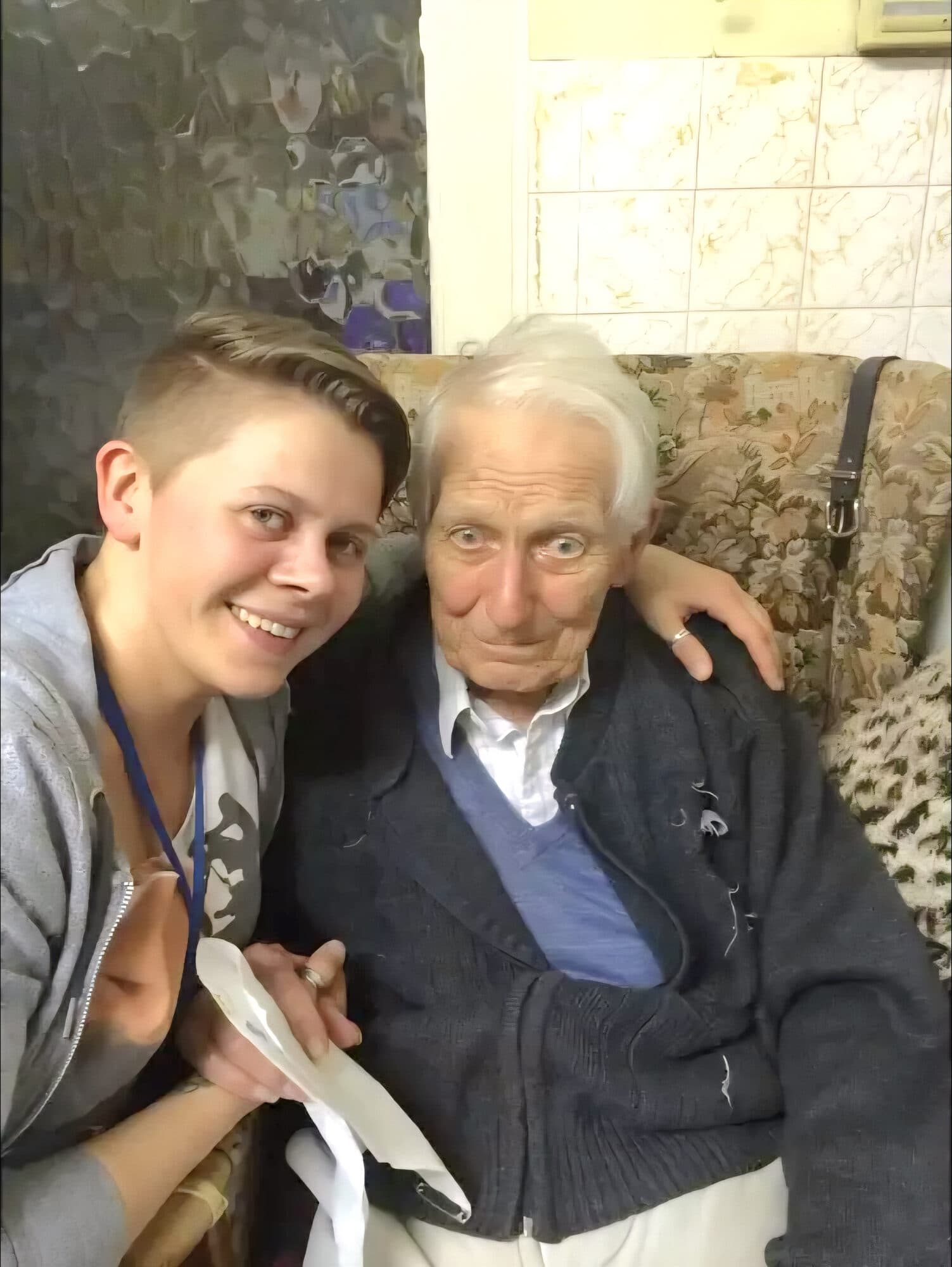
Companionship Visits
Company, conversation, and the kettle on.
Learn more
Errands and Shopping
The shop, the chemist, the post office.
Learn more
Personal Care
Help with washing and dressing, at your own pace.
Learn moreHow it works
Have a chat
Give us a ring or send us a message and tell us what you’re finding difficult. There’s no obligation, and nothing to sign. If it’s urgent, say so: we can sometimes start straight away.
Your first visit is free
We come out to you at home, meet you properly, and write down together exactly what help you want and when. There’s no charge for that visit whether or not you go ahead.
Your assistant starts
Your assistant starts visiting on the days and times we’ve agreed together, and we stay in touch to make sure it’s working for you.