Looking after someone else: help for family carers
You are entitled to an assessment of your own needs, free, whatever the person you care for decides. Here is what that means and what else is available.
Most of the people who ring us are not the person who needs the care. They are a son or daughter, a husband or wife, a parent or a neighbour who has been quietly holding it together for a couple of years and has started to run out of road. If that is you, this page is about you rather than about them.
You have a right to an assessment of your own
This is the single most useful thing on this page, and hardly anybody knows it. The NHS puts it in one sentence: “A carer's assessment is free and anyone over 18 can ask for one.”
It is yours, not theirs. You can have one whether or not the person you look after has had their own needs assessment, and whether or not they have agreed to any help at all. Somebody from the council asks how you are coping (how the caring is affecting your health, your work, your sleep, your relationships and what free time you have left) and then looks at what support you could get. To ask for one, contact adult social care at City of Wolverhampton Council on 01902 551199, or start from the council's adult social care pages.
Carer's Allowance
In 2026/27, Carer's Allowance is £86.45 a week. The main conditions are that you care for someone at least 35 hours a week, that you earn £204 a week or less after tax, National Insurance and expenses, and that the person you care for gets a qualifying benefit. Attendance Allowance, the daily living component of Personal Independence Payment, and the middle or highest care rate of Disability Living Allowance are the common ones. You cannot claim it if you are in full-time education or studying 21 hours a week or more.
It interacts with other benefits in ways that are genuinely fiddly, and claiming it can occasionally reduce something else in the household. Check the full conditions on GOV.UK, and if there is any doubt get it looked at by Citizens Advice, Age UK or Carers UK before you claim.
Getting a break without handing everything over
The thing that stops most family carers is not the caring. It is that there is no gap in it: no afternoon that belongs to you, no day off, no room to be ill. A few hours of regular, dependable help is usually enough to change that, and it does not have to mean handing over the parts you want to keep.
- Time you can rely on: a companionship visit at the same time each week, so you can book something for yourself and know it will still be covered.
- The jobs that eat the visit: the shopping and errands, meals, or the housework, so the time you do spend there is spent with them rather than on chores.
- The bits that are hardest between family: plenty of people find personal care easier for everyone when it is not a family member doing it.
- Appointments: help getting to and from appointments, which are the things that quietly consume a working carer's annual leave.
- Getting out: outings, something to look forward to that is not another task on your list.
If it is dementia
Caring for someone with dementia is a different job from caring for someone whose difficulties are mainly physical, and it is much harder to do alone. Our dementia care page describes how we work; the council's carer's assessment above is worth asking for early rather than late.
Ask before it becomes a crisis
Nearly everyone waits too long. If you are reading this at eleven at night having promised yourself you would sort something out, let this be the nudge, and make the call in the morning: the council for the assessment, or us for a conversation about what a few hours a week might look like. There is nothing to sign.
Sources
- NHS, Carer's assessments: free, anyone over 18 can ask, and what it covers.
- GOV.UK, Carer's Allowance and its eligibility conditions: the weekly rate, the 35-hour condition, the earnings limit and the qualifying benefits.
- City of Wolverhampton Council, Care and support needs: the local route in, and the telephone number above.
Last reviewed 18 August 2026. Next review due April 2027.
What we can help with
The services mentioned in this guide.
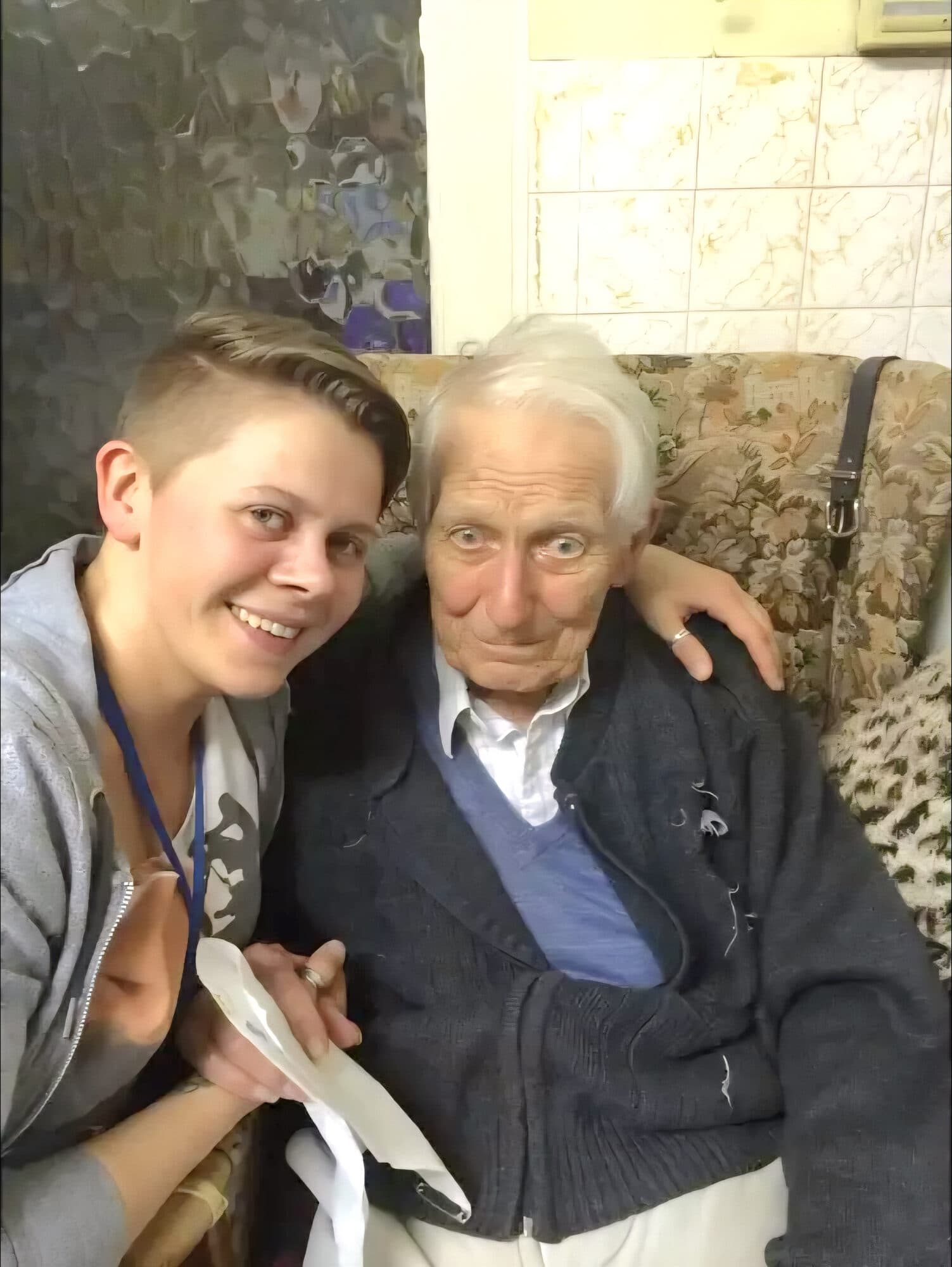
Companionship Visits
Company, conversation, and the kettle on.
Learn more
Errands and Shopping
The shop, the chemist, the post office.
Learn more
Cooking & Meal Prep
Home-cooked meals, on request.
Learn more
Domestic Cleaning
Keeping on top of the house, your way.
Learn more
Personal Care
Help with washing and dressing, at your own pace.
Learn more
Assist to Appointments
There and back, with somebody alongside you.
Learn more
Outings
A day out somewhere you have chosen.
Learn more
Dementia Care
Support at home for someone living with dementia, at their pace.
Learn moreHow it works
Have a chat
Give us a ring or send us a message and tell us what you’re finding difficult. There’s no obligation, and nothing to sign. If it’s urgent, say so: we can sometimes start straight away.
Your first visit is free
We come out to you at home, meet you properly, and write down together exactly what help you want and when. There’s no charge for that visit whether or not you go ahead.
Your assistant starts
Your assistant starts visiting on the days and times we’ve agreed together, and we stay in touch to make sure it’s working for you.