How do I know when someone needs help at home?
The changes families usually notice first, what each one tends to mean, and the smallest thing you can do about it.
Almost nobody wakes up one morning and decides that someone needs care. What actually happens is a slow accumulation of small things you keep explaining away, and then one week you find yourself adding them up. If you are adding them up about a parent, a partner, a son or daughter, a neighbour, or about yourself, this page is for you.
None of the signs below means somebody has to move, give anything up, or accept a stranger in the house. Most of them are solved by an hour or two a week from the right person.
The changes families notice first
You will rarely see all of these at once. Two or three together, over a couple of months, is usually the point at which a bit of help starts to make life noticeably easier.
- The fridge. Out-of-date food, or a fridge with nothing in it but the same three things. Cooking for one is a chore at any age; when it stops being worth the effort, eating properly quietly stops too.
- The washing. Clothes worn a day or two longer than they used to be, or a bathroom that is not quite as it always was. This is almost always about difficulty rather than choice: getting in and out of a bath is a genuinely hard piece of physical work.
- The post. Unopened letters, missed appointments, bills paid twice or not at all.
- Bruises with no story attached, or new caution on the stairs: holding the banister with both hands, or sleeping downstairs.
- The diary emptying. Clubs dropped, friends not rung back, the shop trip that used to be a morning out becoming a delivery.
- Repetition, or the same story told twice in an afternoon. Worth a GP appointment rather than a guess, but worth noticing.
- How you feel afterwards. Worrying all the way home, or lying awake once the house is quiet, is information too, and it is the sign families discount the longest.
Start with the smallest thing that would help
The instinct is to solve everything at once, and it is the thing most likely to get you a flat no. Pick the single job that is causing the most difficulty and deal only with that. Often the best first step is not personal care at all: it is a bit of company, a hot meal, or somebody to take the shopping off their hands.
- Meals: help with cooking and meal prep, or a hand at mealtimes if eating and drinking have become hard work.
- Loneliness: a companionship visit, from someone who comes at the same time each week, sits down and has a proper conversation.
- The house: help with the housework, the shopping and errands, or a walk for the dog when getting out has become difficult.
- Reassurance: a safety check, someone calling in to see that all is well.
- Washing and dressing, when it comes to that: personal care, at their pace, in their own bathroom.
What if they say no?
Most people say no at first, and they are usually not saying no to help. They are saying no to being managed, and to the idea that this is the beginning of losing the house. It is worth saying out loud that it is not.
Two things tend to work. The first is starting with a job rather than a person: someone coming to do the ironing and put the tea on is much easier to accept than someone coming to look after you. The second is making it their decision: let them meet whoever would be coming, and let them say yes or no afterwards. When we visit, that is exactly what the first visit is for, and it costs nothing. The three steps are set out on our home page.
If things have changed quickly
A fall, a hospital stay or a sudden change is a different situation, and the right first call is the GP or the hospital's discharge team rather than us. You can also ask the council for a care and support needs assessment. It is free, and it is explained in our guide to paying for care at home in Wolverhampton.
And if you simply want to talk it through with somebody who has had this conversation with a lot of families, ring us. There is nothing to sign and no obligation: get in touch.
Last reviewed 18 August 2026. Next review due April 2027.
What we can help with
The services mentioned in this guide.

Cooking & Meal Prep
Home-cooked meals, on request.
Learn more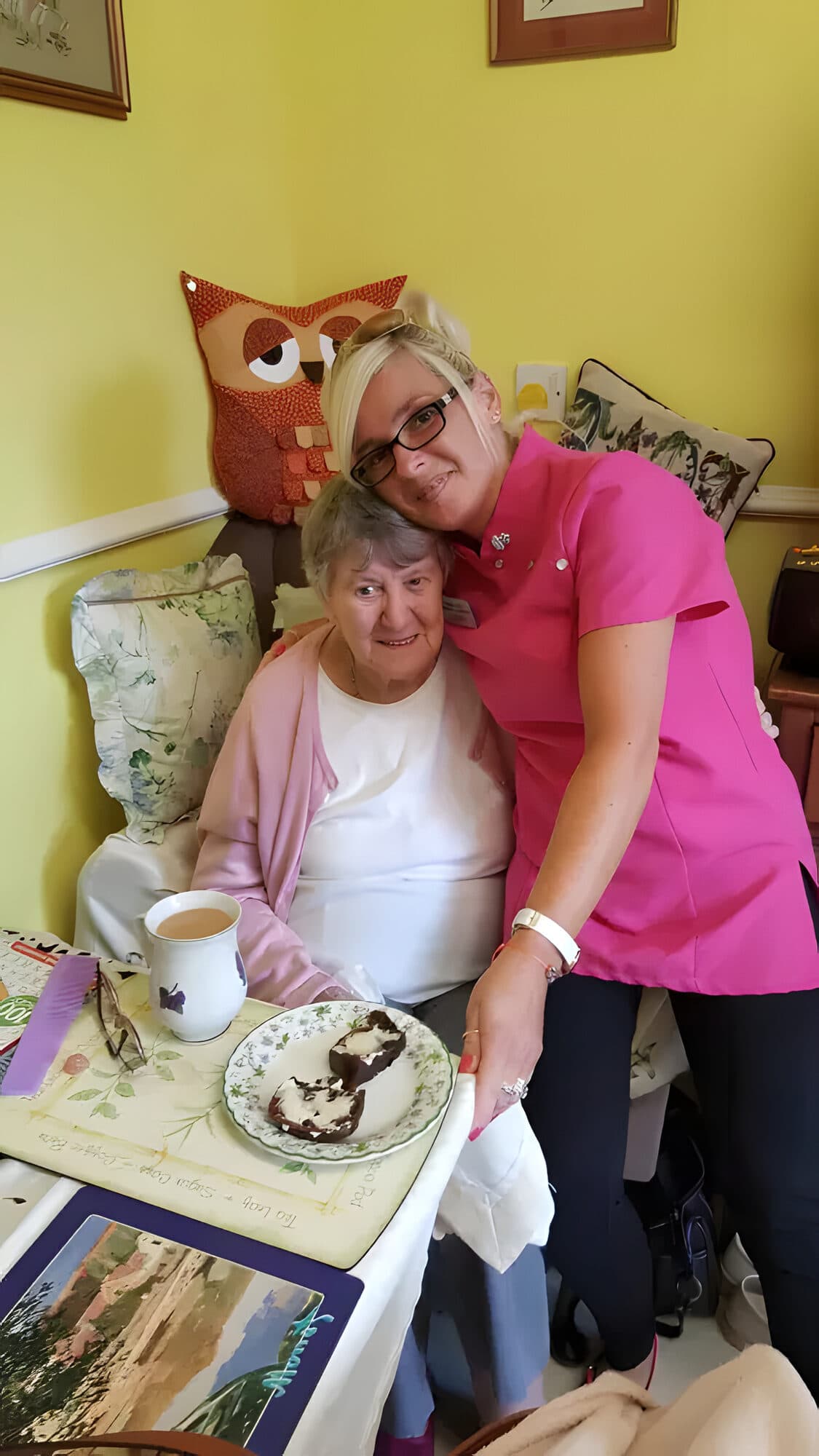
Eating & Drinking Support
Help at mealtimes, and company while you eat.
Learn more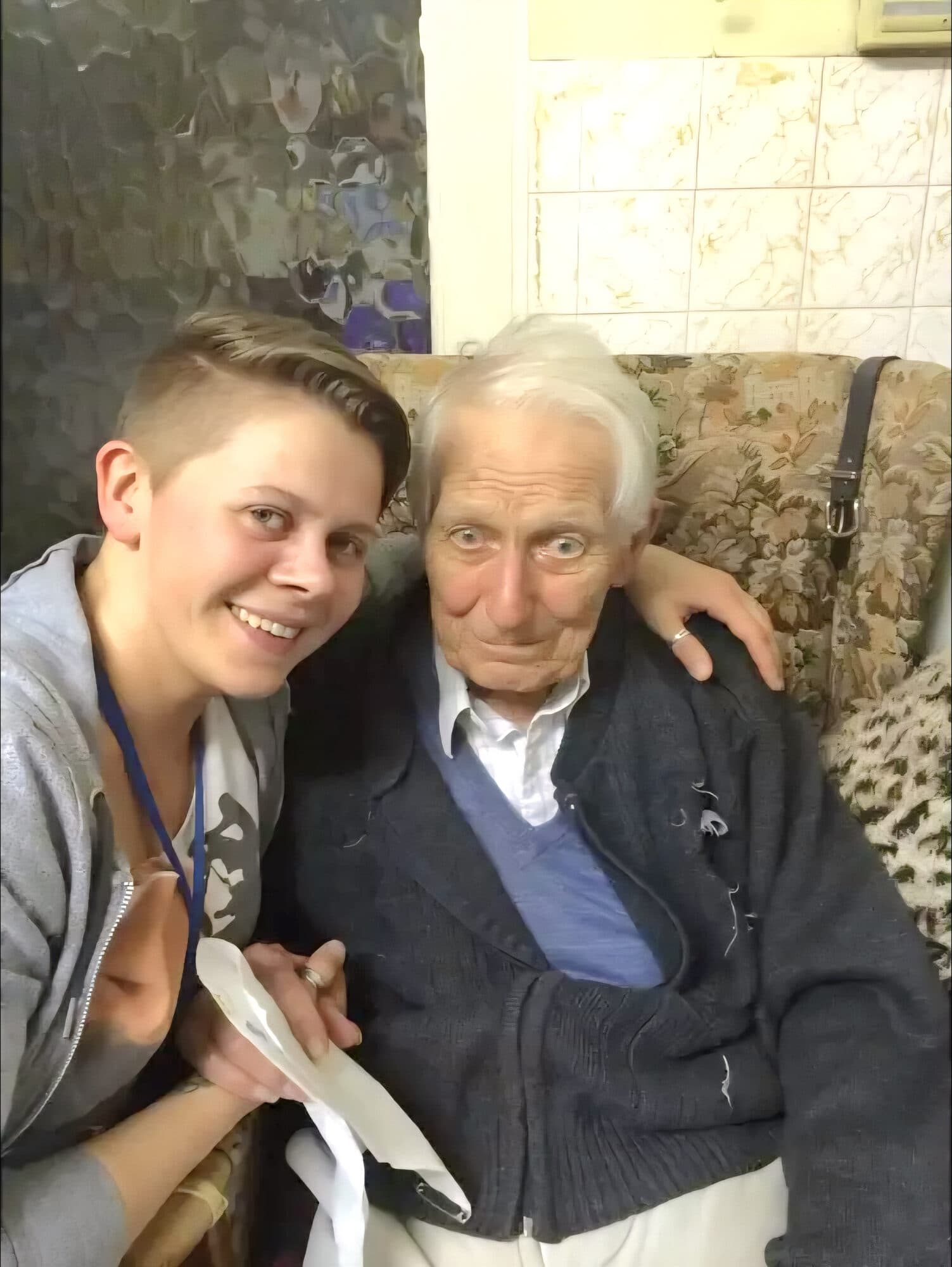
Companionship Visits
Company, conversation, and the kettle on.
Learn more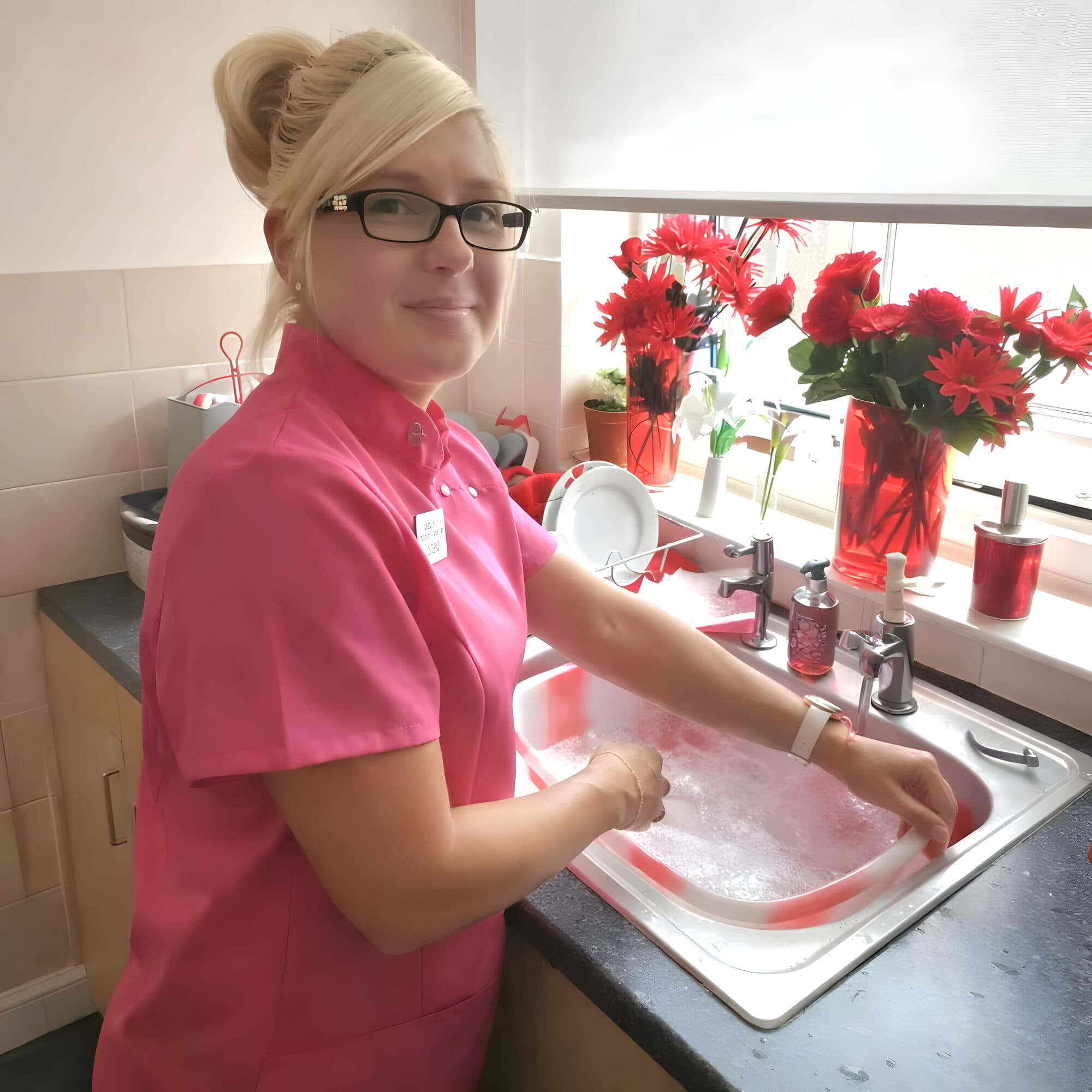
Domestic Cleaning
Keeping on top of the house, your way.
Learn more
Errands and Shopping
The shop, the chemist, the post office.
Learn more
Dog Walking
Walking the dog, so he can stay where he belongs.
Learn more
Safety Checks
Somebody calling in to see that all is well, and a word with you afterwards.
Learn more
Personal Care
Help with washing and dressing, at your own pace.
Learn moreHow it works
Have a chat
Give us a ring or send us a message and tell us what you’re finding difficult. There’s no obligation, and nothing to sign. If it’s urgent, say so: we can sometimes start straight away.
Your first visit is free
We come out to you at home, meet you properly, and write down together exactly what help you want and when. There’s no charge for that visit whether or not you go ahead.
Your assistant starts
Your assistant starts visiting on the days and times we’ve agreed together, and we stay in touch to make sure it’s working for you.